

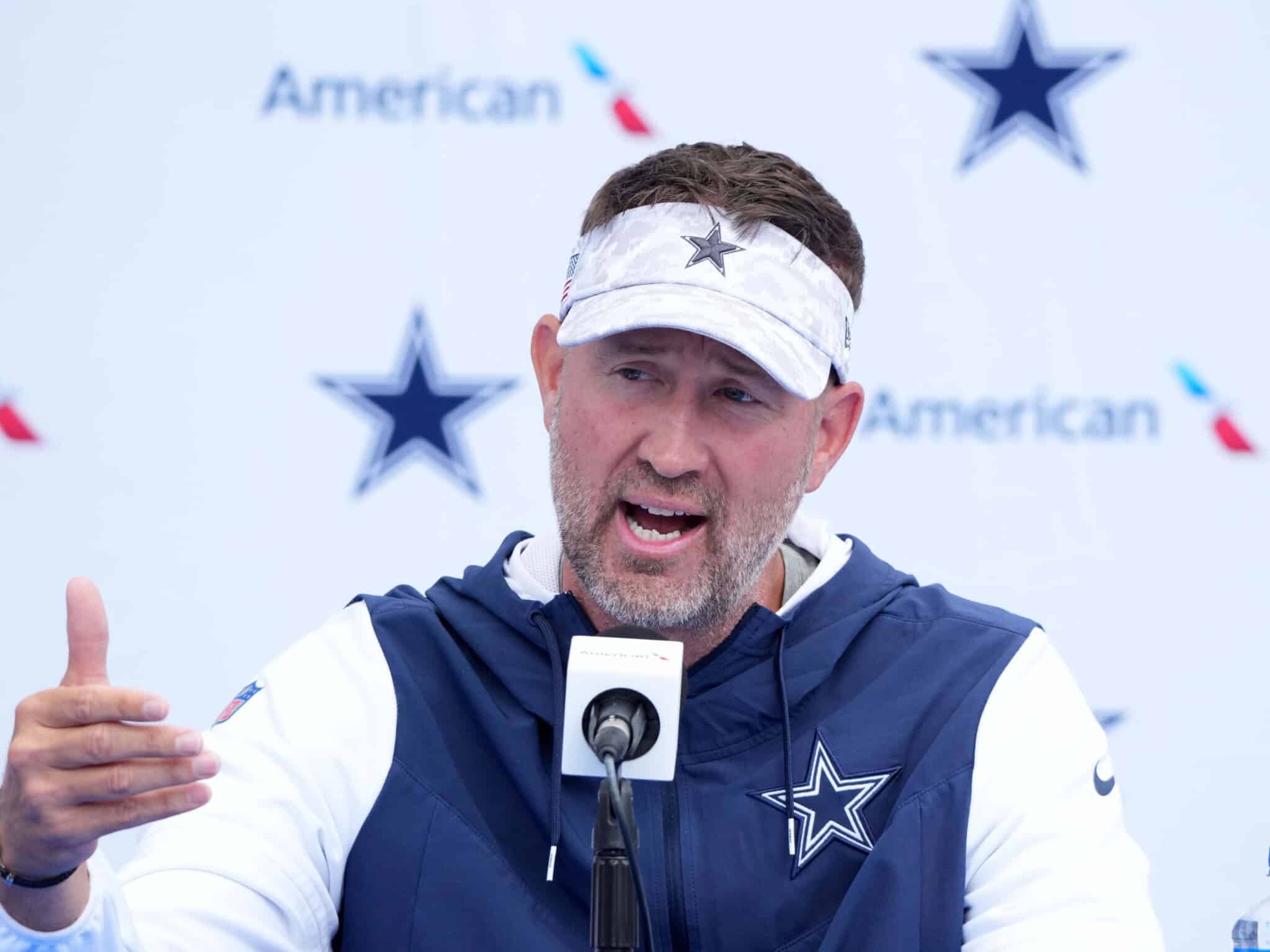
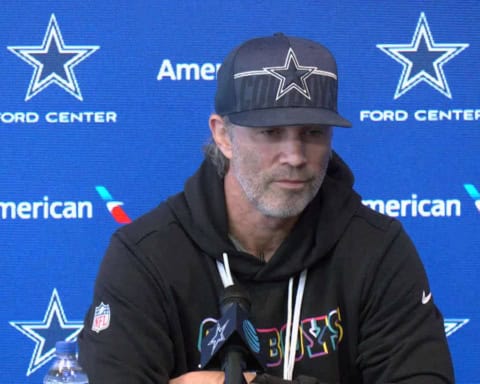
When I heard Brian Schottenheimer’s comments about Trevon Diggs’ potential return, the statement analyst in me immediately went to work.
Coaches often reveal more in their phrasing than they do in their intentions, and this quote didn’t sound like a routine injury update. It sounded cautious, non-committal, and layered with signals.
I see signals that Diggs’ future in Dallas may be uncertain, and the team isn’t willing to publicly admit it.
The full quote:
“He’s still in the ramp-up period. I think he does feel healthy; I know he wants to play, but at the end of the day, we have to do what we think is in the best interest of not just him, but also the football team. When you miss time, the ramp-up time is good not just for your body, but for your mind and figuring out some of the defense; there’s some new faces in the huddle and things like that. Love him as a player, but ultimately he’s got to show us he’s ready to do everything the right way.”
Here’s how I broke down his wording through statement analysis, and why it raises questions about whether Diggs ever plays another snap for the Cowboys.
1. “He’s still in the ramp-up period.”
My Analysis: A purposely vague timeline.
If a coach thinks a player is close, you hear words like “progressing,” “encouraged,” or “we’re hopeful for this week.”
“Ramp-up period” is a broad, open-ended phrase with no specific end date. That tells me the team is not operating with urgency to get Trevon Diggs back on the field.
It sets the expectation that waiting, maybe a long wait, is still on the table.
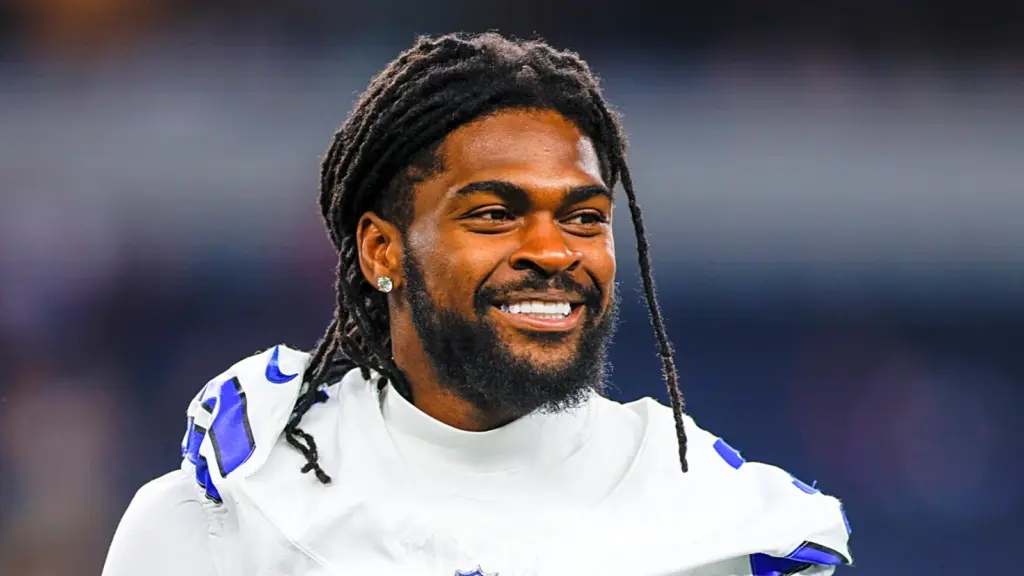
2. “He does feel healthy, I know he wants to play.”
My analysis: Classic distancing language.
Words matter, and Schottenhiemer chose “he does feel healthy” instead of “he is healthy.” The difference in those two phrases is huge.
He acknowledges how Diggs feels but doesn’t validate them as a fact. This subtly separates the team’s evaluation from the player’s self-assessment. It also protects the Cowboys from criticism:
- If Diggs doesn’t return, it’s not because he lacked desire.
- If he does return and struggles, they warned that he only thought he was ready.
This is strategic phrasing to shift accountability away from the team.
3. “We have to do what we think is in the best interest of not just him, but also the football team.”
My Analysis: Justification language before an unpopular decision.
When someone starts justifying something, it often means they anticipate push back.
This line broadens the focus from Diggs to the team as a whole, something coaches do when a player’s role or future is no longer automatic.
This is the kind of talk you would hear when preparation is taking place for something you may not like.
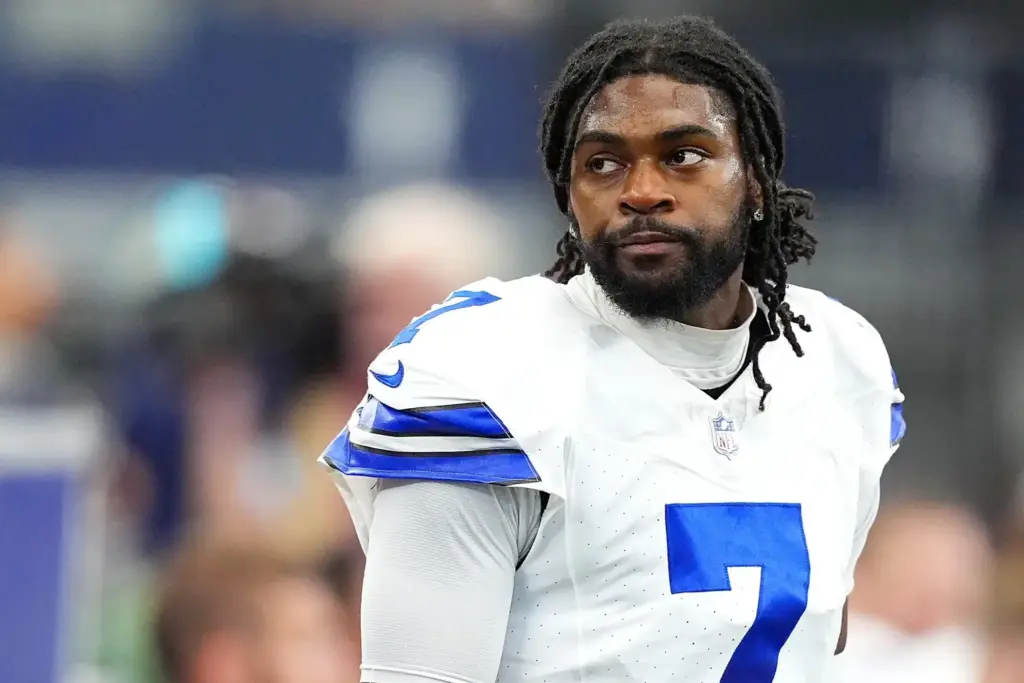
4. “There’s a ramp-up period for not just your body, but for your mind—figuring out some of the defense, there’s some new faces in the huddle.”
My Analysis: This is the real red flag.
A physical ramp-up is standard; the mental ramp-up concerns, however, go beyond injury.
When Schottenheimer mentions Diggs needing to “figure out the defense,” that signals a lot more than rust.
That implies:
- He’s behind in understanding the system.
- The defense evolved without him.
- Chemistry and continuity exist in the huddle, and Diggs isn’t a part of it.
This frames him as an outsider. For a former All-Pro, that’s a significant statement.
5. “I love him as a player…”
My Analysis: This is a statement about him as a person.
In statement analysis, a compliment right before a concern is a protective mechanism. It softens the blow before delivering something negative.
If Diggs’ place in the defense were secure, there would be no need for this setup.
6. “…but ultimately he’s got to show us that he’s ready to do everything the right way.”
My Analysis: This is the line that is most revealing from the entire quote.
This has nothing to do with injury. This is about trust, accountability, and expectations.
“Show us” indicates there are doubts, “Ready” shows concern about preparation, and “Everything the right way” points towards some character concerns.
This is the kind of statement someone makes when there is not a complete buy-in or effort behind the scenes.
It suggests the Cowboys aren’t simply waiting on Diggs, they are evaluating him as a team player.
The Wrap Up is the Cowboys are Preparing for Life Without Diggs
When I put all of this together, the message is clear: Dallas is hedging its bets on Trevon Diggs.
The language is vague, protective, and carefully distanced. That’s what people do when they don’t want to close the door, but also don’t want to commit to opening it again.
I’m not saying Diggs is finished in Dallas, but based on the statement patterns, the team is preparing the public for a scenario where he doesn’t return this season or possibly doesn’t return at all.
In statement analysis, what’s unsaid often speaks loudest.
And Schottenheimer’s statement speaks volumes.
Was this helpful?



9 Comments
Comments are closed.